
The Master Storytellers: Spotlighting Sri Lanka’s Most Searched Authors in 2026
Sri Lankan literature has always been deeply intertwined with the island’s complex history, cultural shifts, and societal transitions. However, the reading landscape in 2026 shows a distinct evolution in what readers are searching for. While the foundational classics remain beloved, there is a massive surge in interest surrounding contemporary Sri Lankan authors who capture the raw, unfiltered realities of modern life, rural struggles, and generational divides.
For readers browsing the digital shelves of Bookmania.lk, the search data reveals a clear preference: a hunger for authentic storytelling. Readers are actively seeking out prominent Sinhala novelists and contemporary English-language writers who push boundaries, experiment with dialect, and hold a mirror up to the Sri Lankan experience.
If you are looking to discover the voices defining the island’s literary culture today, here is a closer look at the most searched and celebrated authors captivating readers this year.
What Drives the Popularity of Sinhala Novelists Today?
The resurgence of reading—fueled in part by online book communities, social media reviews, and accessible online bookstores—has brought local literature into the daily conversations of younger demographics.
Modern Sinhala novelists are moving away from purely romanticized visions of village life. Instead, they are tackling socio-economic disparity, political disillusionment, trauma, and complex psychological landscapes. Their writing styles are highly immersive, often utilizing regional dialects and deeply researched historical contexts that make their narratives feel vividly real. This shift from simple plot-driven stories to rich, thematic explorations of the human condition is exactly what drives thousands of searches for these authors every month.
4 Sri Lankan Authors Captivating Readers in 2026
Based on search trends, critical acclaim, and reader demand, these four master storytellers represent the diverse brilliance of contemporary Sri Lankan literature.
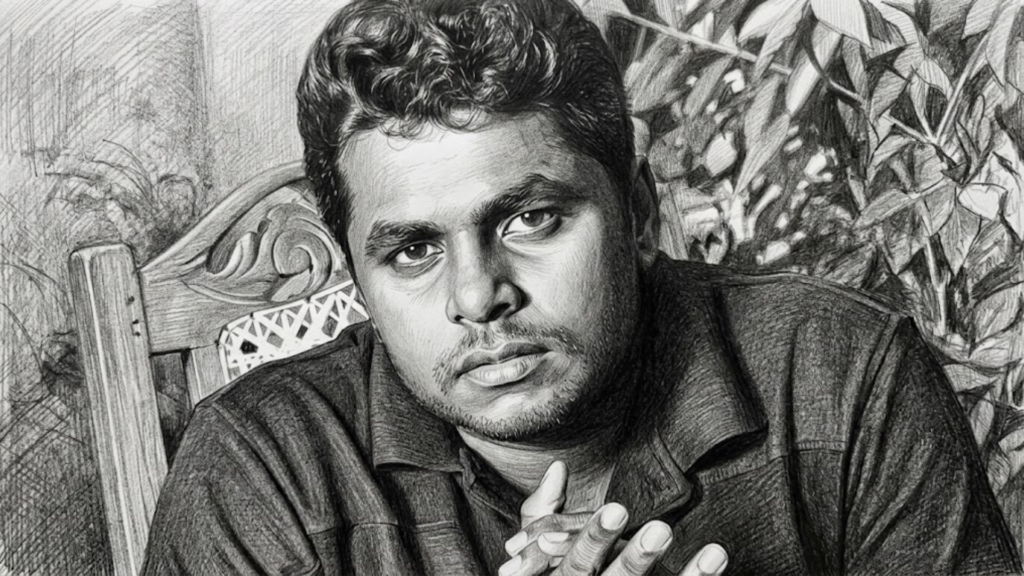
Mahinda Prasad Masimbula: Chronicling the Rural Soul
Few authors have captured the granular details of rural Sri Lankan life quite like Mahinda Prasad Masimbula. Gaining monumental success with masterpieces like Senkottan and Manikkawatha, Masimbula has a unique ability to weave marginalized histories into mainstream literature.
His writing style is instantly recognizable. Masimbula heavily utilizes authentic regional dialects and forgotten Sinhala vocabulary, transforming his novels into cultural archives as much as works of fiction. His narratives usually center on the resilience of the human spirit against crushing caste systems, poverty, and systemic neglect.
His latest prominent work, Apoiyawa, continues to dominate search engines and reader discussions in 2026. It further solidifies his reputation for exploring the gritty, often painful realities of rural existence with profound empathy. Masimbula does not write to romanticize poverty; he writes to give it a voice, making him a cornerstone of modern Sinhala literature.
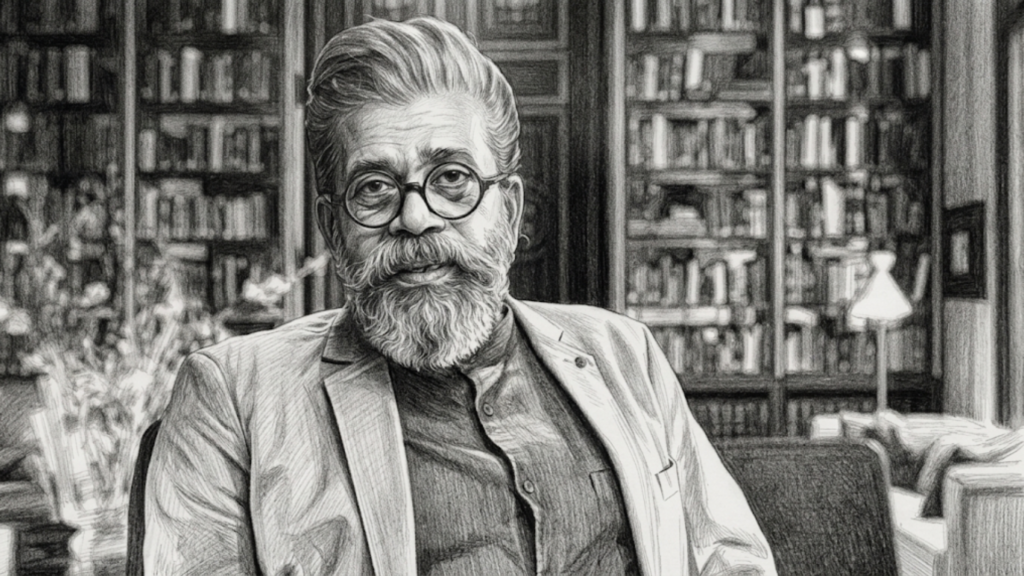
Upul Shantha Sannasgala: Romance, Rebellion, and Realism
Upul Shantha Sannasgala is a literary force who has masterfully bridged the gap between commercial popularity and literary weight. Known to a generation initially for works like Wassana Sihinaya, Sannasgala’s portfolio has continually evolved, keeping him at the top of search queries year after year.
Sannasgala’s major themes revolve around youth, rebellion, unvarnished romance, and the clash between traditional societal expectations and individual freedom. His writing is characterized by highly emotive, poetic prose that appeals directly to the heart. He is entirely unafraid of controversy, frequently challenging religious, educational, and political hypocrisies within Sri Lankan society.
For readers who want intense emotional engagement paired with sharp social commentary, Sannasgala’s novels remain essential reading.
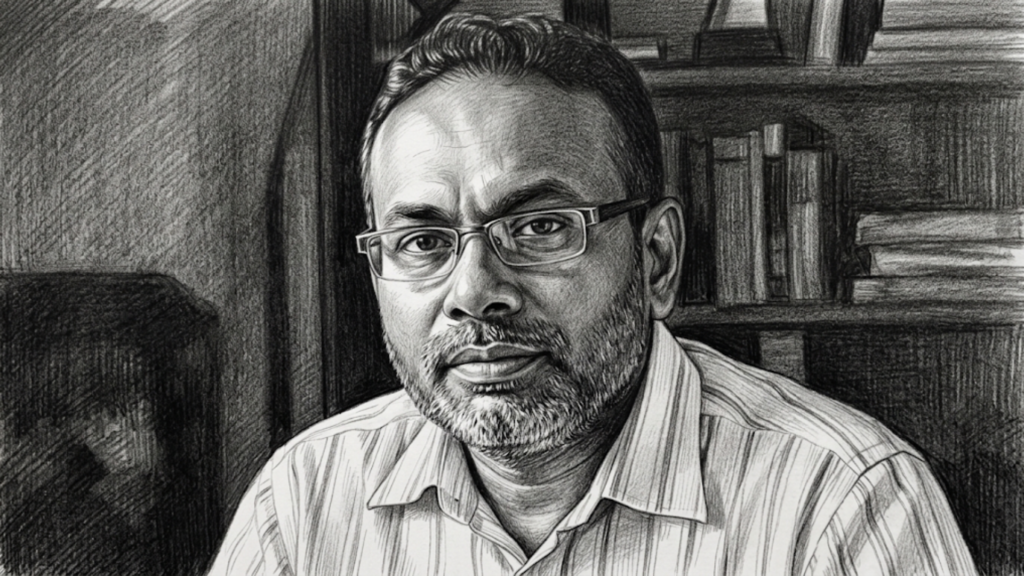
Liyanage Amarakeerthi: The Academic Voice of Social Critique
A professor, critic, and novelist, Liyanage Amarakeerthi brings a sharp, intellectual edge to the Sinhala novel. With award-winning books like Atawaka Puththu and Kurulu Hadawatha, Amarakeerthi is frequently searched by readers looking for literature that provokes deep thought about the island’s shifting cultural landscape.
His writing style is sophisticated yet highly accessible. Amarakeerthi excels at dissecting the middle-class Sri Lankan experience, the impacts of open-market capitalism on rural morals, and the nuances of the local education system. He often writes with a subtle, tragicomic irony. His characters are usually intellectuals, artists, or common people caught in the machinery of a rapidly modernizing society, making his work deeply relatable to the contemporary reader.
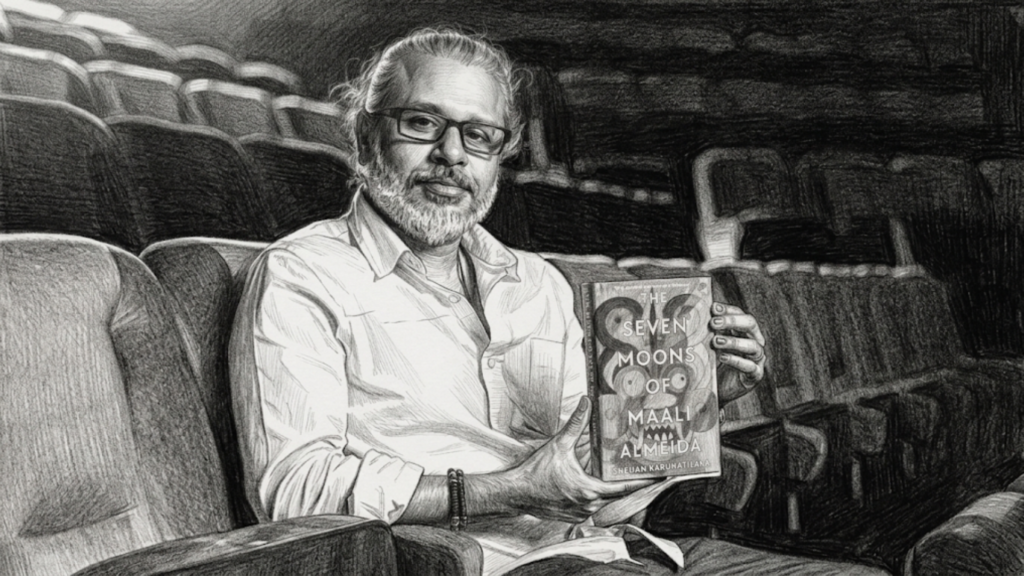
Shehan Karunatilaka: Taking Sri Lankan Stories Global
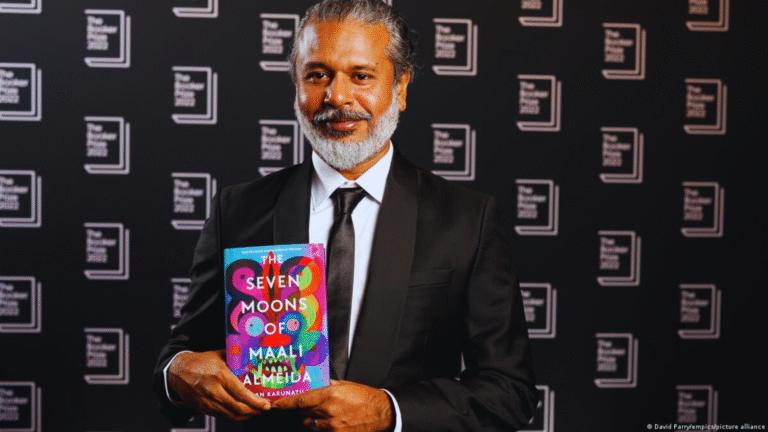
While the focus of local literary searches heavily favors Sinhala novelists, no discussion of trending Sri Lankan authors in the 2020s is complete without Shehan Karunatilaka. Following his Booker Prize victory for The Seven Moons of Maali Almeida, local search interest for his English-medium works skyrocketed and remains exceptionally high.
Karunatilaka’s writing style is a chaotic, brilliant blend of magical realism, biting political satire, and dark humor. He tackles the darkest periods of Sri Lanka’s civil conflict and political history, but filters them through the perspectives of ghosts, gamblers, and cynical photographers. His inclusion on this list highlights a growing trend among local bilingual readers who seamlessly shift between reading contemporary Sinhala fiction and globally acclaimed Sri Lankan literature in English.
Themes Defining Contemporary Sri Lankan Fiction
If you are new to exploring modern local literature, you will find that today’s most searched authors frequently converge on a few powerful themes:
The Weight of History: Whether it is the legacy of the civil war or the historical oppression of the caste system, modern authors confront the past rather than ignoring it.
The Urban-Rural Divide: The psychological toll of moving from a traditional village to a fractured urban environment remains a central conflict.
Linguistic Identity: Authors are actively preserving regional dialects and un-Anglicized Sinhala, resisting the homogenization of language.
Start Your Next Literary Journey
The beauty of Sri Lankan literature lies in its diversity. Whether you are moved by the rural tragedies penned by Mahinda Prasad Masimbula, the emotional rebellions of Upul Shantha Sannasgala, the societal critiques of Liyanage Amarakeerthi, or the dark satire of Shehan Karunatilaka, there is a story waiting to shift your perspective.
By reading local authors, we do more than consume a story; we participate in the ongoing conversation about what it means to be Sri Lankan today.
Ready to explore these master storytellers for yourself? Browse the dedicated author collections at Bookmania.lk and discover the books that the whole country is talking about.